AI-native accounting
Puzzle
He was tired of waiting weeks for his runway
Sasha Orloff kept learning his cash position weeks late. In 2019 he and John Cwikla set out to rebuild the general ledger. Seven years on, Puzzle 2.0 keeps that ledger for startups and small businesses, and Accrual has agreed to buy the accounting-firm side.
- 7,000+startups, small businesses and accounting firms served when the Accrual deal was announcedCompany-reported, as of Sep 2026 · Source for 7,000+ startups, small businesses and accounting firms served when the Accrual deal was announced
- $50B+in transactions processed on Puzzle's ledgerCompany-reported, as of Oct 2026 · Source for $50B+ in transactions processed on Puzzle's ledger
- 85–90%of transactions categorized automatically by AI, with no rules to writeCompany-reported, as of Oct 2026 · Source for 85–90% of transactions categorized automatically by AI, with no rules to write

- Founders
- Sasha Orloff
- John Cwikla
- HQ
- San Francisco, US
- Founded
- 2019
- Sector
- Accounting, general ledger
- Website
- Visit Puzzle
Born Capital is an investor in Puzzle.
The story
Always weeks behind
At his first startup, Sasha Orloff nearly lost a term sheet over accounting. One early surprise: a company must file taxes even when it has no revenue. At both of his startups before Puzzle he had no live view of his numbers, and cash, burn and runway arrived weeks late. More than 100 founders he interviewed wanted the same live view. Their payments, cards and payroll ran on Stripe, Brex and Gusto. Their books ran on software designed decades earlier.
Two solo founders
Just before the pandemic, Orloff and John Cwikla were each building a similar product alone in San Francisco. They took walks around South Park, worked through a cofounder-dating playbook, shared beers at 21st Amendment, and after a few weeks of coding together decided to join forces. Orloff reckoned a first version could take five years and went ahead anyway. A venture firm incubated Puzzle and led a $5 million seed round. Early testers came through pre-seed investors, friends from Orloff's earlier startup days and the On Deck founder community. Puzzle left beta in February 2023, after more than 500 startups had used it, and announced a $15 million Series A, led by the same firm.
The ledger, rebuilt
Puzzle wrote a new general ledger from scratch rather than adding AI to an old one. Bank and card feeds, plus direct links to Stripe, Brex, Mercury, Ramp and Gusto, keep the books current, and one set of books holds both cash and accrual views. In July 2026 Puzzle made AI Close generally available to accounting firms, the side of the business that Accrual later agreed to buy. An accountant describes the month-end routine in plain language, as if briefing a new hire. Every task becomes its own agent, which drafts entries, shows its reasoning and waits. Nothing reaches the ledger until a person signs off.
The close, cut short
In November 2023 Puzzle reported new-customer growth of 15 percent a month and raised $30 million, bringing total funding to $50 million. A year later more than 3,000 businesses used Puzzle. By September 2026 it served more than 7,000 startups, small businesses and accounting firms. One startup customer, Ternwheel, shows touring musicians their profit. Its founder, Ashanti Abdullah, spent decades managing music artists and used to track burn and runway from bank statements. In Puzzle's case study, Ternwheel's monthly close fell from a full day to under 15 minutes. On the firm side, Puzzle reported in July 2026 that Accountalent, an accounting firm serving more than 7,500 startups, had cut its close from 15–20 days to 3–5 days.
One ledger, two paths
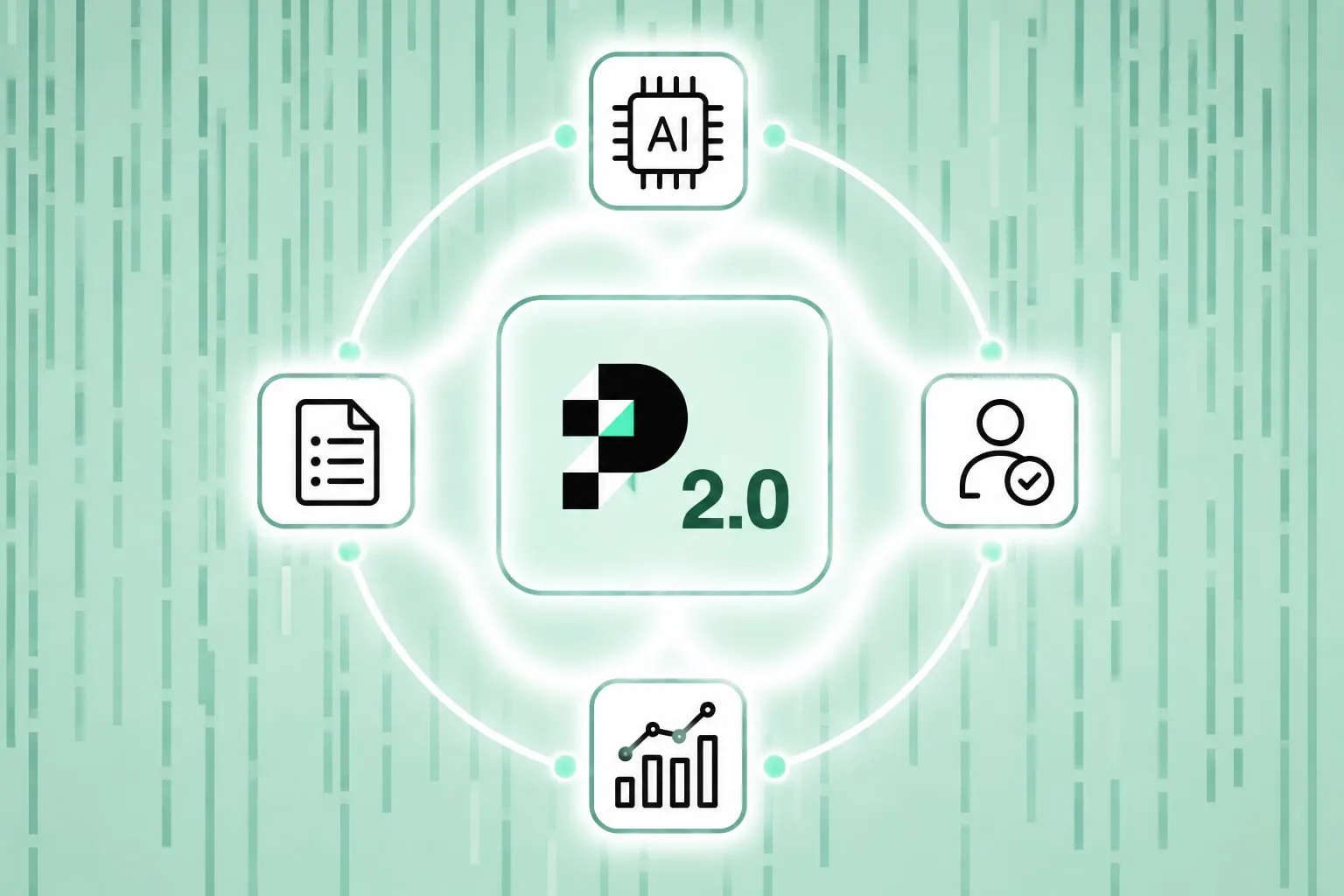
In September 2026 Puzzle chose to split along its two customer groups. Accrual, an AI platform for accounting firms that has run its own books on Puzzle since early in its history, agreed to buy Puzzle's accounting-firm technology and business, including the ledger and month-end close products it offered firms, AI Close among them. Orloff is to join Accrual full time once the deal closes and stays on Puzzle's board. Puzzle stays independent and keeps working directly with startups and small businesses as Puzzle 2.0, under CEO Ozgur Uzuner and CTO Jason Mitchell. It now adds bookkeeping and tax services, delivered by its own accountants or partner firms. Orloff wrote that the new model lets Puzzle keep investing in its product and customers from its own revenue.
AI at Puzzle
In Puzzle 2.0, the product Puzzle keeps for startups and small businesses, AI takes on the routine bookkeeping and people keep the final say. Nothing changes in the books until someone approves it. Through Puzzle MCP, still in alpha, teams can connect Claude or ChatGPT to their ledger, read-only by default. The firm-facing AI Close is part of the accounting-firm business that Accrual agreed to buy.
- Categorizes most transactions automatically, with no rules to write
- AI agents prepare reconciliations for a person to review
- AI Chat answers questions from the books and cites the transactions behind each answer
The people

Sasha Orloff
Co-founder, CEO 2019–2026
He worked at the Grameen Foundation and the World Bank, then in consumer credit at Citi, before co-founding the fintech company LendUp. He studied applied math and economics at UC San Diego and holds an MBA from Georgetown.

John Cwikla
Co-founder, CTO until 2026
When Puzzle 2.0 launched in September 2026, the company said he would advise its teams through the change of leadership.
Ozgur Uzuner
CEO, Puzzle 2.0
As Puzzle's chief marketing officer he drove its customer acquisition. Earlier he led growth at Poplin and Swimply and was chief operating officer of Steady.
Jason Mitchell
CTO, Puzzle 2.0
A former CPA, accountant and auditor, he retrained as a software engineer and worked at Affirm. At Puzzle he led much of the work on its ledger.
Milestones
2019
Sasha Orloff and John Cwikla start Puzzle in San Francisco.
2023Feb
Leaves beta and announces a $15M Series A.
2023Nov
Raises $30M, bringing total funding to $50M.
2024Nov
More than 3,000 businesses use Puzzle; over $30B in transactions processed since its public launch.
2026Jul
AI Close, an agent-based month-end close, becomes generally available to accounting firms.
2026Sep
Accrual agrees to buy Puzzle's accounting-firm business; Puzzle 2.0 continues for startups and small businesses under CEO Ozgur Uzuner.
Further reading
- TechCrunch 2023Puzzle is building a modern accounting package for today's API-enabled startups
- CRAFTED. 2024Crafting Puzzle, Challenging QuickBooks, and Helping Startups Grok Their Financial Health (podcast with Sasha Orloff)
- Puzzle 2026Introducing Puzzle 2.0
- Accounting Today 2026Accrual acquires Puzzle's tech to add to CAS offering
Next in the portfolio
Paraglide
Why a former CFO built agents to chase invoices